What is Restorative Yoga?
Restorative yoga is a gentle, nervous system–supportive practice designed to help the body move out of stress and into steadiness.
Unlike stronger or flow-based classes, restorative yoga is not about stretching further or achieving shapes. It is about creating the conditions for the body to feel supported enough to soften.
As I teach it - following the approach of Jillian Pransky - restorative yoga is a practice of deep presence.
It isn’t simply “lying on bolsters.”
It is a way of relating to your body and breath with honesty and attention.
The props are there to support you - but they are not the point. The real practice is learning how to soften unnecessary effort and meet yourself where you are.
Restorative yoga is defined not by the shape, but by the quality of awareness you bring.
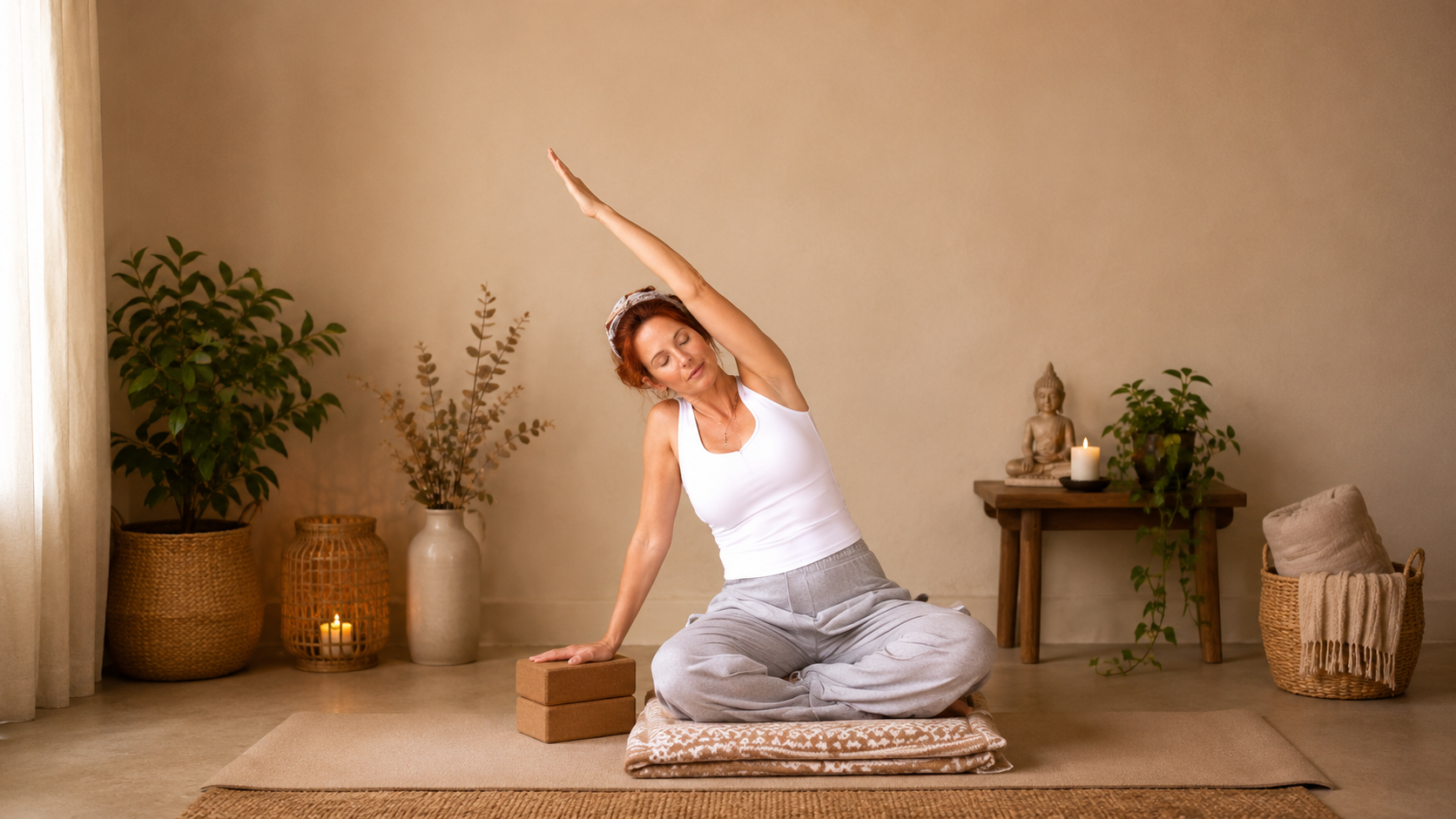
Movement Can Be Restorative
In this lineage, movement itself can be restorative.
Slow transitions.
Gentle rocking.
Subtle unwinding.
Breath-led, mindful motion.
When movement is free from striving or performance, it can regulate the nervous system just as deeply as stillness.
The question isn’t “Am I doing this right?”
It’s “Am I present?”
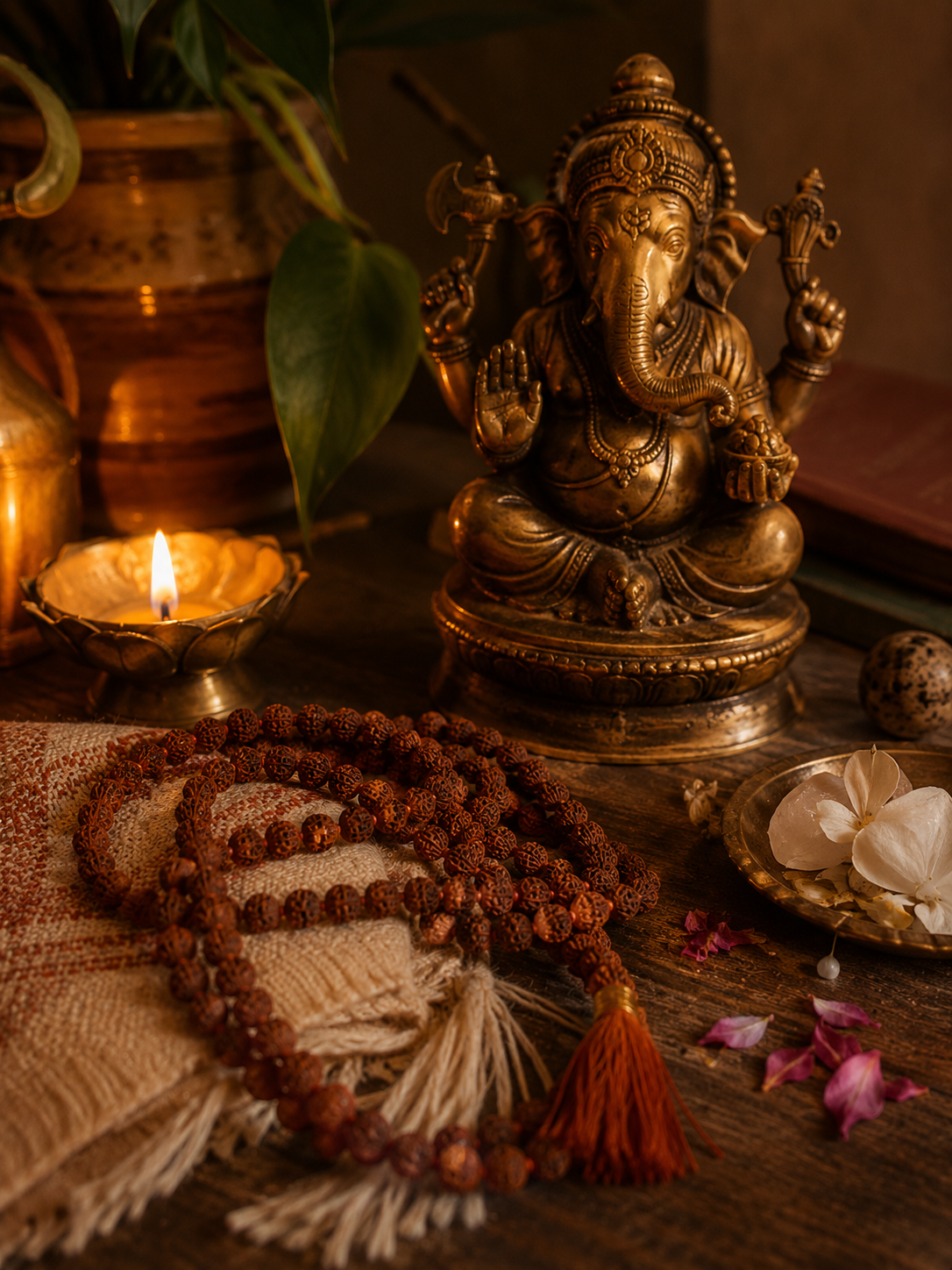
Brahmana and Langhana
An important thread in my teaching comes from the yogic principles of brahmana and langhana.
Brahmana is the quality of building, nourishing and gently expanding.
Langhana is the quality of softening, quietening and reducing excess.
Both are natural movements within the body and nervous system.
Restorative yoga is not about applying a fixed formula or making everyone relax in the same way. It is about attuning to what is needed.
Sometimes we need steadiness and warmth.
Sometimes we need space and simplicity.
This is responsive, intelligent rest.
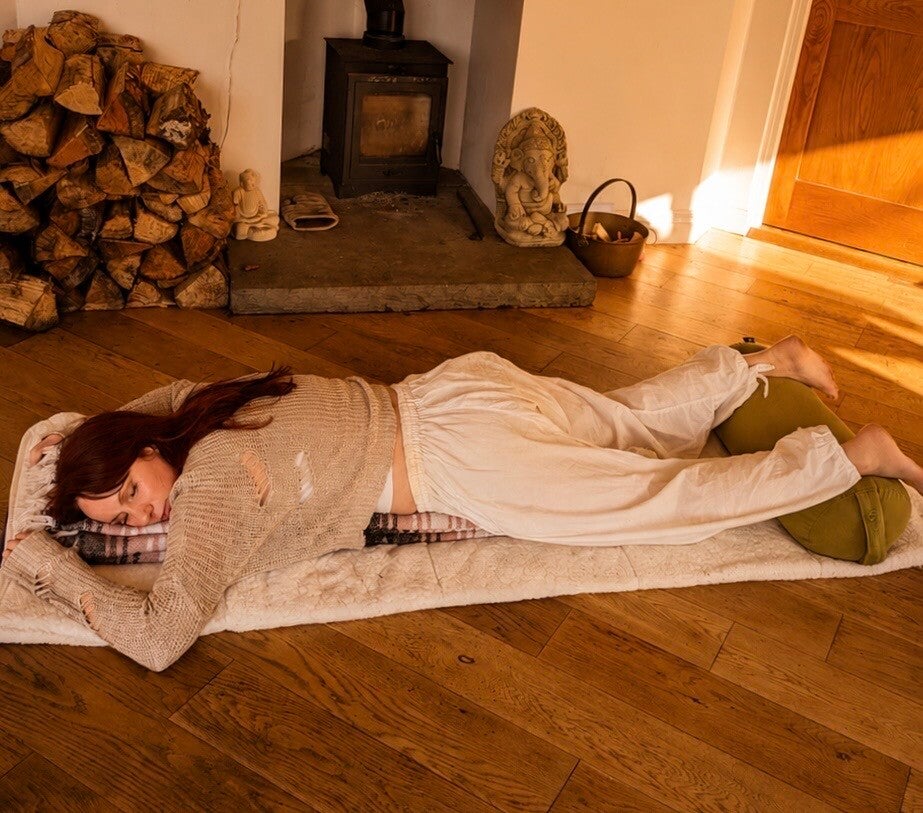
The Benefits of Restorative Yoga
When practised consistently, restorative yoga can:
-
Support parasympathetic nervous system regulation
-
Help reduce chronic stress and overwhelm
-
Improve sleep quality
-
Increase body awareness
-
Build capacity to stay present with sensation
-
Create a felt sense of safety in the body
For many people, especially those who feel “wired but tired,” restorative yoga offers a way to rest without collapsing.
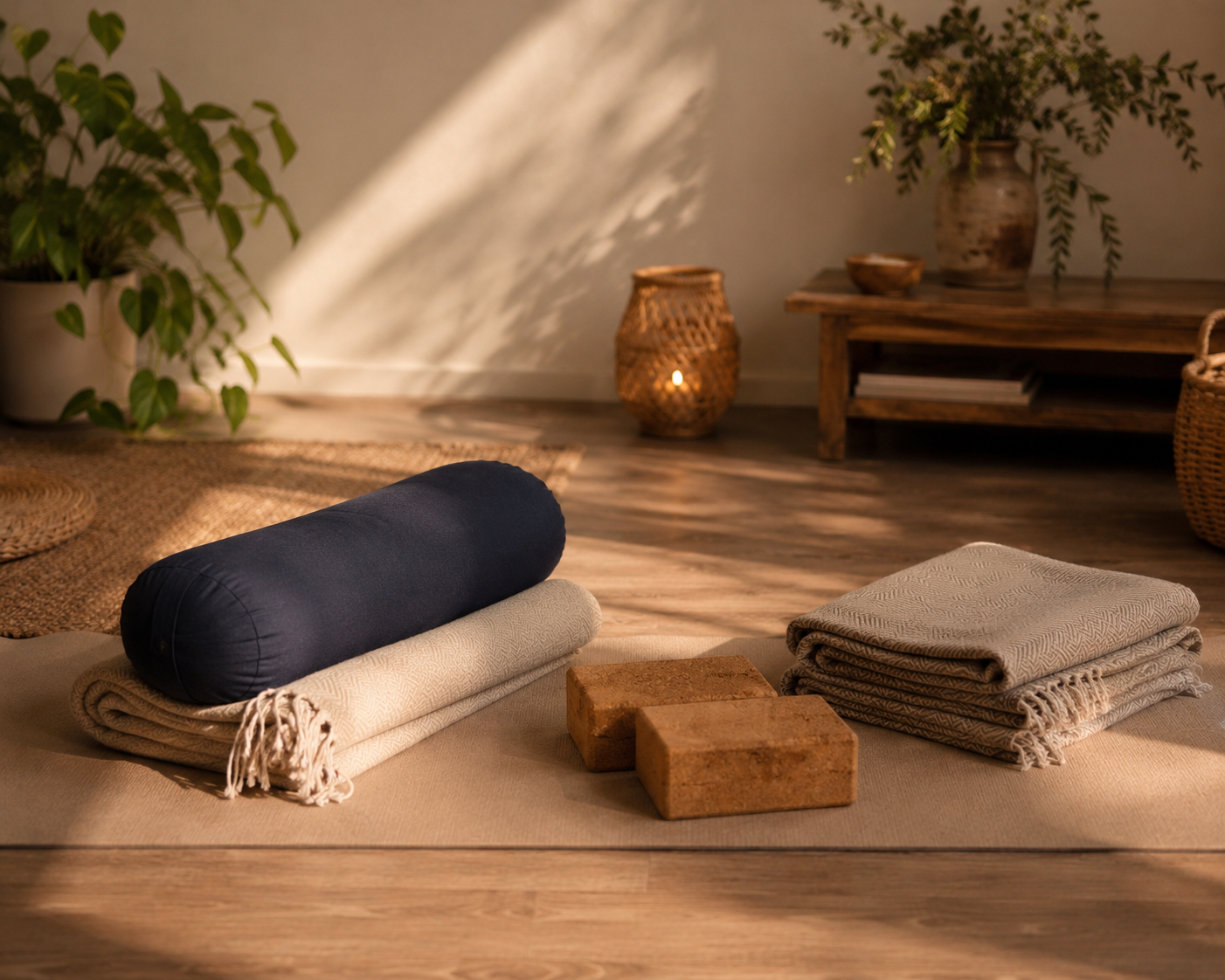
What Restorative Yoga Is Not
Restorative yoga is not:
-
A workout
-
Deep stretching to your edge
-
Passive collapse
-
Forcing yourself to relax
-
A performance of calm
And it isn’t about doing nothing.
It is an active practice of listening.
Who Restorative Yoga Is For
This style of restorative yoga is especially supportive if you:
-
Feel overwhelmed or overstimulated
-
Struggle to switch off
-
Experience burnout or chronic stress
-
Are navigating perimenopause or menopause
-
Want a quieter, more grounded practice
-
Prefer gentle, supported yoga over dynamic flow
You do not need to be flexible.
You do not need to be experienced.
You do not need to be “good at relaxing.”
You simply need to be willing to show up and pay attention.

Restorative Yoga in Leyland, Lancashire
I offer private restorative yoga sessions in Leyland, Lancashire and online.
These sessions are nourishing, supportive and grounded in nervous system awareness. Each class is guided with care, drawing on restorative principles, breath awareness and deep presence.
If you are searching for restorative yoga, you are warmly welcome.